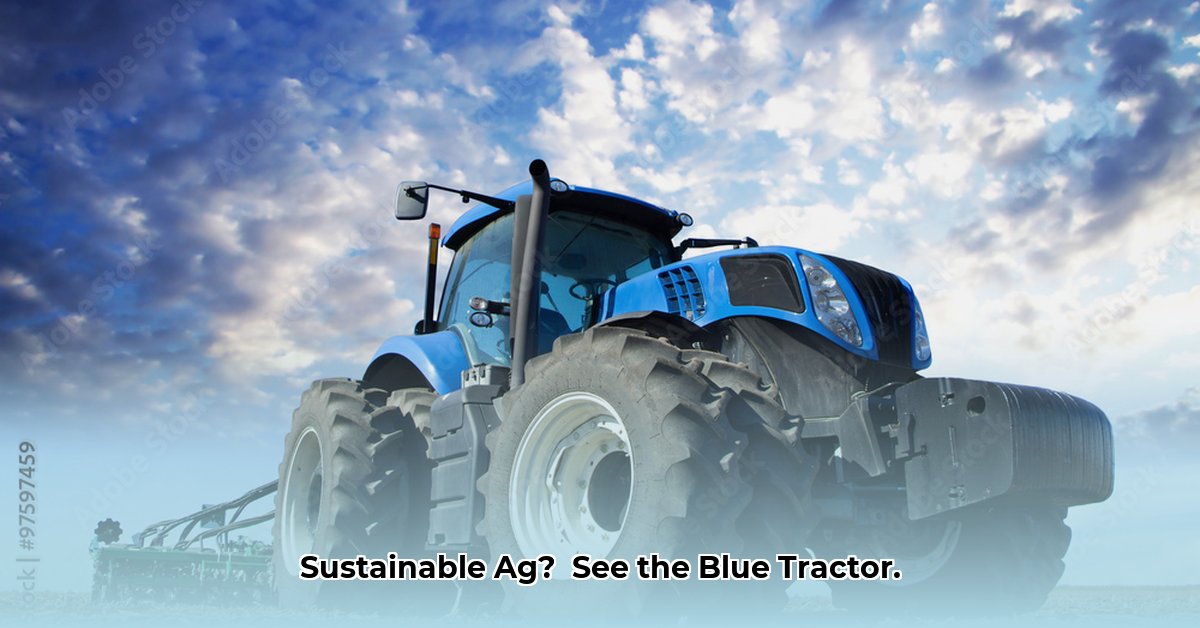
Blue Tractor Pictures: Driving Sustainable Ag Marketing Forward
Ever noticed the prevalence of blue tractors in agricultural imagery? It's not a coincidence. High-quality pictures, particularly those featuring iconic blue tractors, significantly impact how consumers perceive and engage with sustainable farming practices. This article explores how strategic use of imagery can influence consumer choices, investment decisions, and the adoption of innovative farming techniques. We'll provide actionable steps to elevate your sustainable ag marketing and enhance your brand's reach. For more on blue tractor imagery, check out this related resource.
The Unexpected Power of a Picture
In our visually saturated world, images quickly communicate complex ideas. A well-composed photo of a blue tractor conveys hard work, technological innovation, land stewardship, and even nostalgia – instantly connecting with audiences on an emotional level. Would you rather read a lengthy report about sustainable farming or see a captivating image of a blue tractor working a lush field? The visual narrative is far more compelling, fostering trust and sparking interest.
Isn't it remarkable how a single image can capture the essence of sustainable agriculture? This ability to quickly convey complex information makes imagery an invaluable tool in modern marketing.
Beyond Aesthetics: Blue Tractors and Brand Identity
A gleaming blue tractor communicates efficiency, reliability, and technological advancement – all vital aspects of a successful sustainable farm. It projects a forward-thinking, quality-oriented image, highlighting commitment to innovation and environmentally conscious practices. Would you trust a business with blurry photos more than one with professional, high-quality images? The visual identity you project directly impacts customer perception and brand loyalty. Investing in professional photography is not an expenditure, but rather a strategic investment in your brand’s credibility.
The Numbers Game: What the Data Says (and Doesn't)
While the importance of strong visuals is widely acknowledged, directly correlating blue tractor pictures to increased sales proves challenging. Numerous factors influence sales, including pricing, location, and overall marketing strategy. However, researchers are actively working to isolate the contribution of visual marketing to overall success. We're still gathering data to truly quantify the impact of images like iconic blue tractor photos on sustainable agriculture's bottom line. This is a crucial area for future study.
Putting it into Action: A Practical Guide
Here's a five-step plan to harness the power of imagery in your sustainable agriculture marketing:
Invest in Professional Photography: Commission a professional photoshoot showcasing your operation, equipment, land, farmers, and (of course) your blue tractors. High-quality visuals are vital for building brand credibility and customer trust.
Create a Consistent Brand Image: Maintain a uniform visual style across all platforms (website, social media, print materials). This consistency builds brand recognition and familiarity.
Tell Stories with Your Pictures: Go beyond simply showing a tractor. Showcase the farmer, highlight equipment efficiency, and illustrate sustainable practices in action. Create a compelling narrative that resonates with your audience.
Track Your Results: Monitor website traffic, social media engagement, and sales figures to assess campaign effectiveness. Data-driven adjustments are crucial to optimization.
Harness Social Media's Power: Utilize visually driven platforms like Instagram and Facebook to showcase your high-quality images and reach a broader audience. Regularly share captivating content; keep your audience engaged.
The Future of Farm Marketing: A Glimpse Ahead
The future of agricultural marketing will undoubtedly be even more visually driven. While AI plays an increasing role, authentic, high-quality imagery will remain crucial. Authentic storytelling, using visuals that resonate with your target customers, will continue to be central to successful marketing in sustainable agriculture.
Authenticity Matters Most
While striking images like a perfectly rendered blue tractor can significantly improve your marketing, remember: authenticity is paramount. Avoid unrealistic or misleading imagery that misrepresents your farm's operations. Consumers value transparency. Building trust through genuine representation of your practices is invaluable for long-term success.
How to Measure the Impact of Visual Marketing on Sustainable Agriculture Adoption
Key Takeaways:
- Effective visual marketing significantly increases engagement in sustainable agriculture.
- Accurately measuring impact requires clearly defined Key Performance Indicators (KPIs).
- Maintaining authenticity and transparency is critical to avoid "greenwashing."
- Quantifying long-term environmental benefits presents ongoing challenges.
- A comprehensive approach, combining strong visuals with rigorous data analysis, is essential.
The Power of Pictures: Blue Tractors and Sustainable Farming
A well-crafted image of a blue tractor working a vibrant field tells a powerful story. It suggests technological progress, efficient resource use, and environmental consciousness. But how do we effectively measure the true impact of these visual narratives on sustainable agriculture's adoption and growth?
Measuring Success: Beyond Likes and Shares
While social media engagement metrics (likes, shares) are helpful, they offer only a partial view of visual marketing's impact. We need more robust methods. This requires tracking tangible outcomes: Increased brand awareness, consumer trust, sales of sustainably produced goods, and quantifiable environmental improvements (reduced water usage, lower carbon footprints). The ultimate goal is not mere attention; it’s driving meaningful change.
Professor Anya Sharma, Director of Sustainable Agriculture Research at the University of California, Berkeley, emphasizes, "Measuring the true impact requires a multi-pronged approach, combining quantitative data with qualitative insights into consumer behavior and environmental outcomes."
Navigating the Challenges: Transparency and Authenticity
Greenwashing — deceptively promoting eco-friendly practices — poses a significant risk. To build consumer trust, transparency is paramount. Authentically reflect your farm's commitment to sustainability. Feature real farmers, showcasing their dedication to sustainable practices, and avoid exaggerating claims.
Strategies for Success: A Step-by-Step Approach
Define Clear Objectives: Set specific, measurable, achievable, relevant, and time-bound (SMART) goals for your visual marketing campaign.
Develop Targeted Visuals: Create high-quality images and videos resonating with your target audience.
Choose the Right Channels: Identify platforms best suited to reach your target audience.
Track Key Performance Indicators (KPIs): Track website traffic, social media engagement, sales figures, and environmental metrics. Regularly review your data.
Analyze and Adapt: Evaluate results, identify what works, and adjust your strategy accordingly. Continuous improvement is key.
The Future of Visual Sustainability Marketing
Visual marketing holds immense potential for sustainable agriculture. By employing a strategic approach that blends compelling visuals with thorough data analysis, we can create impactful campaigns that boost awareness and drive positive environmental change. The blue tractor, a symbol of tradition and progress, can be a powerful icon in the movement towards a more sustainable agricultural future.